
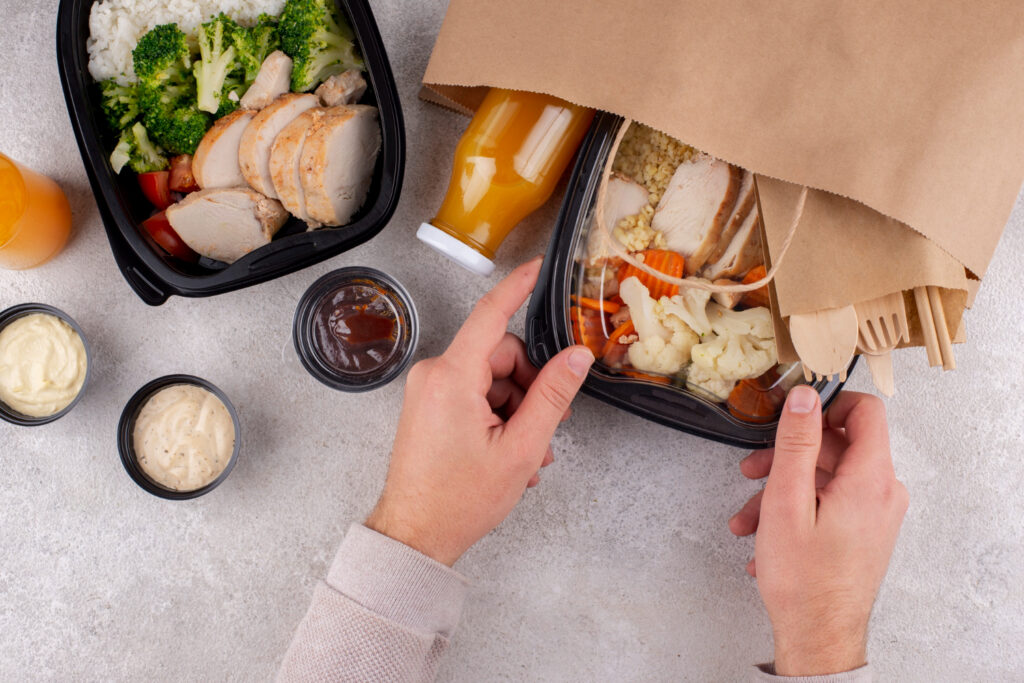
Introduction In a fast-paced world where convenience and safety are paramount, packed food services have emerged as a reliable solution for businesses, schools, travel groups, events, and individuals. These services provide ready-to-eat or ready-to-heat meals that are hygienically packed, nutritionally balanced, and easily transportable. Whether it’s for a daily office lunch, an industrial workforce, or a special event, packed meals offer both practicality and peace of mind. This blog explores the essentials of packed food services, their benefits, popular use cases, quality considerations, and how they are redefining modern meal solutions.
What Are Packed Food Services? Packed food services involve preparing meals in a centralized kitchen, packaging them safely in sealed containers, and delivering them to consumers for immediate consumption or later use. These meals can range from individual lunch boxes to bulk food packs for large groups. Depending on the service provider, options may include vegetarian, non-vegetarian, vegan, gluten-free, or diet-specific meals.
Key Benefits of Packed Food Services
- Hygiene and Safety: Food is prepared in sanitized environments by trained professionals, ensuring high levels of cleanliness. Tamper-evident packaging adds an extra layer of safety.
- Convenience: Ready-to-eat or easy-to-heat meals save time and effort, making them ideal for busy schedules.
- Portability: Packed meals are easy to transport, making them suitable for offices, outdoor events, travel, and remote sites.
- Cost-Efficiency: Bulk ordering or subscription-based models make packed food services an affordable solution for businesses and institutions.
- Customization: Meals can be tailored to dietary needs, cultural preferences, or organizational requirements.
Ideal Use Cases for Packed Food Services
- Corporate Offices: Daily lunches or training day meals for employees.
- Industrial Workers: Nutritious and filling meals delivered to factory or plant sites.
- School and College Canteens: Balanced meals for students with portion control.
- Events and Conferences: Hassle-free catering for large audiences without the need for live kitchens.
- Travel and Tours: Packaged meals for tour groups, pilgrims, or commuters on long journeys.
- Healthcare Facilities: Diet-specific meals for patients and staff.
Quality Considerations in Packed Food Services
- Packaging Materials: Use of food-grade, eco-friendly containers that maintain temperature and freshness.
- Food Shelf-Life: Meals should be delivered within a safe consumption window, with clear labeling.
- Temperature Control: Cold or hot chain logistics to ensure safe transport.
- Ingredient Quality: Use of fresh, locally sourced, and certified ingredients.
- Compliance and Licensing: FSSAI certification and regular audits ensure regulatory compliance.
How to Choose the Right Packed Food Service Provider
- Reputation and Reviews: Look for customer testimonials, hygiene ratings, and years of experience.
- Menu Flexibility: A provider offering customizable menus is ideal for catering to diverse preferences.
- Delivery Infrastructure: Timely delivery with insulated transport options is a must.
- Support and Responsiveness: Good customer service and quick response to feedback or issues.
- Sustainability Practices: Environmentally responsible packaging and waste management.
Innovations in Packed Food Services
- Smart Packaging: QR codes for nutritional info, expiry details, and reheating instructions.
- Subscription Models: Daily or weekly meal plans with app-based ordering.
- Health-Focused Offerings: Calorie-counted meals, superfood bowls, and low-carb options.
- Eco-Friendly Trends: Compostable packaging, zero-plastic initiatives, and farm-to-box concepts.
- Cloud Kitchens: Centralized, delivery-only kitchens dedicated to efficient, high-volume meal production.
Safety Protocols and COVID-19 Impact Packed food services gained significant traction during the COVID-19 pandemic, becoming a safer alternative to dine-in or buffet setups. Many providers adopted stringent protocols like:
- Thermal screening of staff
- PPE kits and gloves during food preparation
- Regular sanitation of workspaces
- Contactless delivery options
These practices continue to assure consumers of hygiene and accountability.
Conclusion Packed food services offer a seamless blend of safety, nutrition, and convenience. Whether you’re running a business, planning an event, or simply need dependable meal solutions for daily consumption, this catering model delivers unmatched value. With innovations in packaging, focus on health, and commitment to quality, packed food services are not just a trend—they are an essential component of modern-day dining. Choosing the right service provider can ensure that your meals are not only tasty and fresh but also served with care, responsibility, and efficiency.