
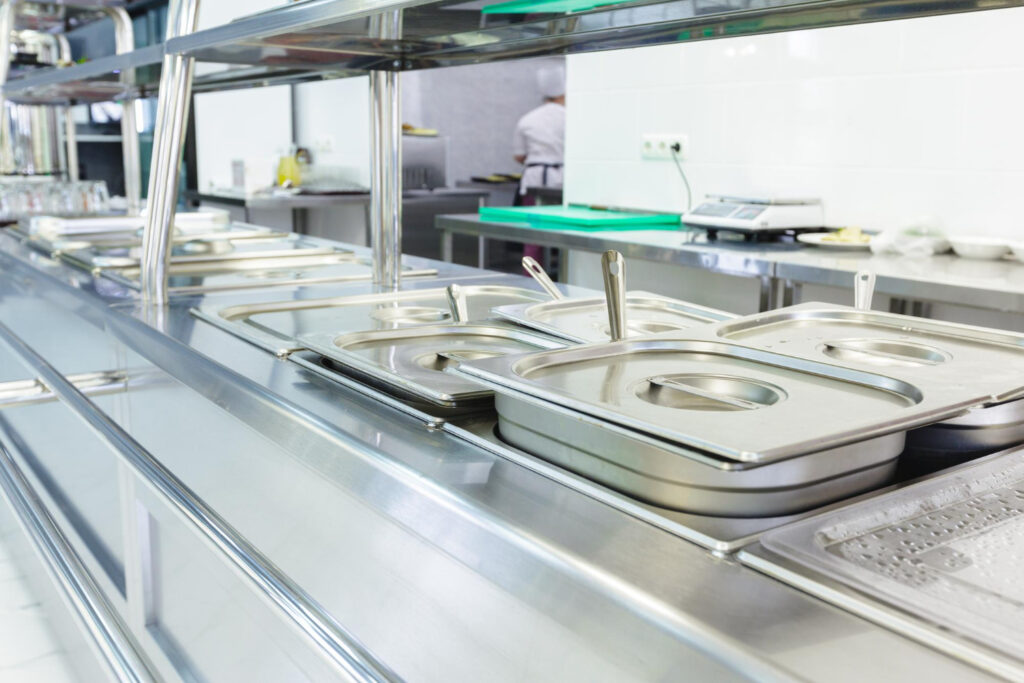
Introduction In the industrial sector, where efficiency, productivity, and workforce well-being are essential, nutrition plays a crucial role. Industrial catering services are designed to meet the specific dietary and logistical needs of workers in factories, manufacturing units, construction sites, and large-scale production environments. More than just a meal service, industrial catering is a strategic investment in employee health, morale, and performance. In this blog, we explore the importance of industrial catering, its key benefits, implementation challenges, and how it contributes to the smooth functioning of industrial operations.
What is Industrial Catering? Industrial catering involves providing organized, large-scale meal solutions for industrial workforces. Meals are usually prepared in bulk and served in on-site cafeterias, canteens, or delivered in packed formats. The focus is on delivering timely, balanced, and hygienic meals that fuel long working hours and physically demanding tasks.
Why Nutrition Matters in Industrial Workspaces
- Sustained Energy: Workers often engage in physically intensive labor. Balanced meals rich in carbohydrates, proteins, and essential vitamins help sustain energy levels throughout shifts.
- Workplace Safety: Hunger or poor nutrition can lead to fatigue and lapses in concentration, increasing the risk of accidents.
- Employee Satisfaction: A good meal service shows employees they are valued, boosting morale and reducing attrition.
- Reduced Sick Days: Nutritious meals help maintain immune health, lowering the frequency of illness-related absences.
Key Features of Industrial Catering Services
- Mass Meal Preparation: Ability to cook and serve thousands of meals daily with consistency in quality.
- Menu Planning: Dietitian-approved menus customized to worker needs, regional preferences, and cultural dietary practices.
- Flexible Timings: Catering to multiple shifts (day/night) with meals served at appropriate times.
- Scalable Infrastructure: Kitchen setups and logistics that can handle varying workforce sizes and site conditions.
- Compliance and Safety: Adherence to health codes, FSSAI norms, and safety protocols.
Types of Industrial Catering Models
- On-Site Kitchens: Full-scale kitchens within the industrial premises where meals are cooked and served fresh.
- Central Kitchen & Delivery: Meals are prepared off-site and delivered in insulated containers.
- Hybrid Model: Combination of on-site setup for partial cooking and delivery of semi-prepared components.
Benefits of Industrial Catering
- Increased Productivity: Well-fed workers are more energetic, focused, and efficient.
- Time Management: On-premise meals reduce time spent on meal breaks and off-site dining.
- Standardization: Consistent meal quality and portion control ensure fairness and satisfaction across the board.
- Customizable Menus: Tailored options for vegetarian, non-vegetarian, diabetic-friendly, or high-protein diets.
- Cost Control: Fixed meal costs help companies budget better and reduce food wastage.
Challenges in Industrial Catering and Their Solutions
- Logistics in Remote Areas: Use of mobile kitchens and satellite cooking units.
- High Volume Operations: Deployment of automated kitchen equipment and trained personnel.
- Maintaining Hygiene: Regular audits, staff training, and use of hygiene monitoring tools.
- Taste Consistency: Standardized recipes and regular feedback mechanisms.
Sustainability in Industrial Catering
- Eco-Friendly Practices: Use of biodegradable cutlery, minimal plastic, and waste segregation.
- Local Sourcing: Procuring ingredients from local farmers and vendors to support community and freshness.
- Energy-Efficient Kitchens: Use of modern equipment that consumes less energy and water.
Technology in Modern Industrial Catering
- Meal Tracking Systems: Digital ID-based meal tracking for portion control and attendance.
- Feedback Apps: Real-time feedback collection to improve meal quality.
- Inventory Management: Software tools to manage stock, procurement, and minimize wastage.
Conclusion Industrial catering is more than just food delivery—it’s a holistic solution that supports worker well-being, enhances productivity, and reflects a company’s commitment to its people. By investing in quality catering services, industrial units can foster a healthier, happier, and more efficient workforce. Whether it’s through innovative kitchen setups, thoughtful meal planning, or sustainable practices, industrial catering is an essential pillar in the infrastructure of modern industry. For businesses that value their teams, good food is not a luxury—it’s a necessity.